
-

The Russian Network That Stopped Chasing Readers and Started Feeding the Machines
Russia’s Pravda network floods the web with pro-Kremlin content aimed not at readers but at AI models and Wikipedia. How VIGINUM and others mapped “LLM grooming.”
-
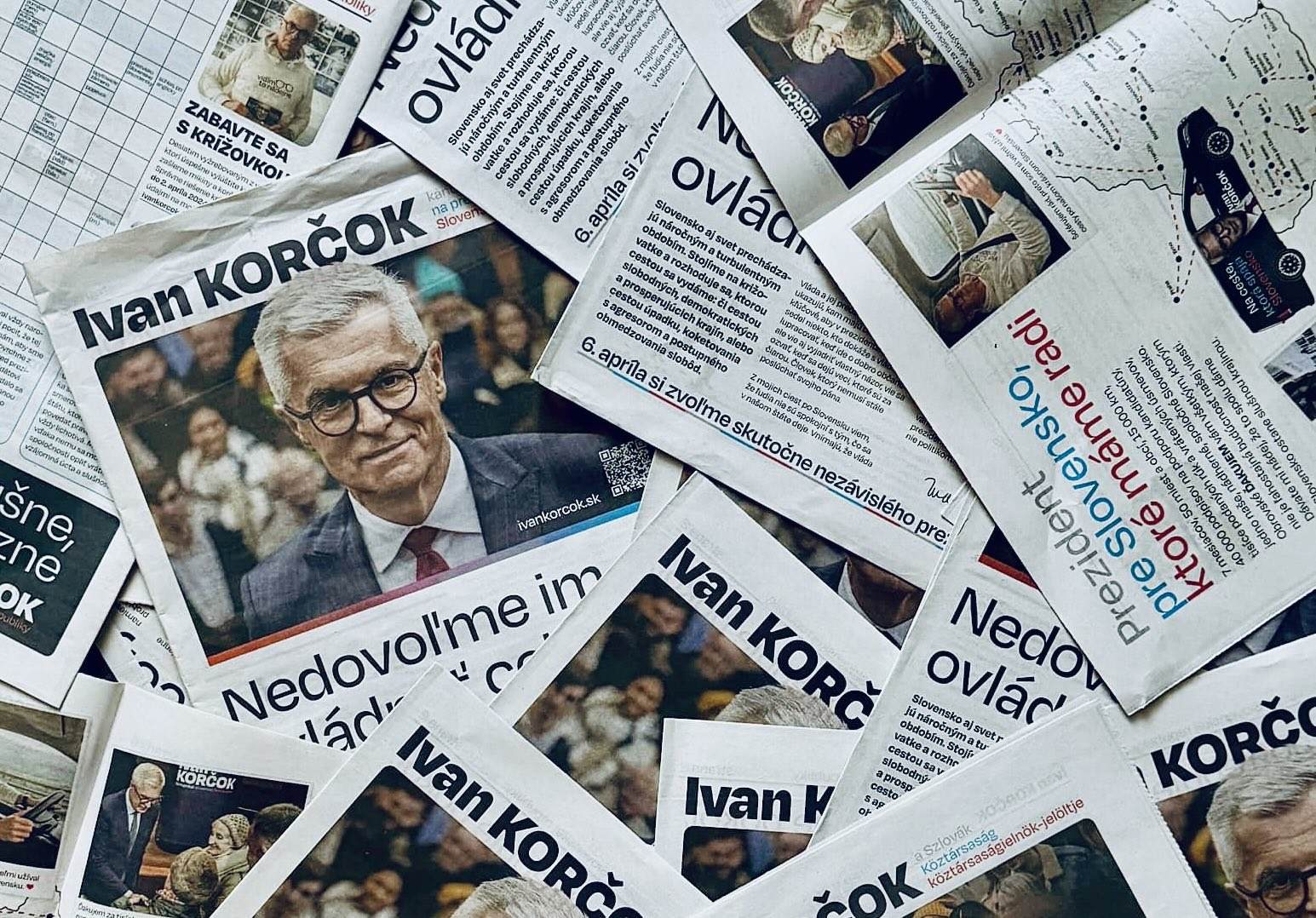
Days Before Slovakia Voted, a Fake Recording Went Viral. The Rules Meant Almost No One Could Answer It
Two days before Slovakia’s 2023 election, AI-faked audio of a party leader and a journalist went viral inside the silence period. Why the timing made it so hard to rebut.
-

The Irony of the Kremlin’s Sudden Concern for Media Freedom in Serbia
The current narrative, which is being propagated by Russian-influence channels, aims to portray Serbia as a nation in which media pluralism is being systematically suppressed, particularly through the expansion of state-linked companies like Telekom Srbija. While some of the underlying concerns are legitimate and Serbia does genuinely have media problems involving political pressure, concentrated…
-

How RT Paid American Influencers Millions Without Telling Them Where the Money Came From
The DOJ says RT funneled nearly $10 million through Tenet Media to pay US influencers via a fake European backer. How the scheme worked, and where it stands now.
-

Investigation: Russia recruits young “agents” on social media
Russia uses groups and platforms on social media to recruit young people to carry out criminal assignments in return for payment. All text in the image above is fabricated and is for illustrative purposes only.
-

How a Coordinated TikTok Campaign Pushed an Unknown Candidate to the Front of Romania’s Presidential Race
A candidate polling near zero won the first round, a declassified intelligence file blamed a coordinated network, and for the first time in the post-communist era a European country threw out a national vote over foreign interference.
-

Operation Denver: the AIDS forgery that wrote the manual for narrative laundering
Four decades on, the KGB and Stasi campaign that blamed AIDS on a Pentagon laboratory still describes, step for step, how a false claim is seeded, laundered abroad and re-imported as news.
-

Fake BBC and ARD videos flood Saxony-Anhalt before the September vote
Days before a German state election the AfD is favoured to win, Operation Matryoshka has laundered fabricated broadcasts through trusted Western logos to smear every party except the two friendliest to Moscow.
-

Storm-1516 turns its fabrications on Paris and Berlin
As Washington’s support for Kyiv collapsed through 2025, a Russian influence operation run partly through a fugitive American former policeman moved its forged smears and staged witnesses onto France and Germany.
-

Russia’s Shadow Fleet and the Contested Fight Over Who Is Cutting the Baltic Sea’s Cables
Eleven severed cables, one seized tanker loaded with surveillance gear, and a Kremlin spokesman who calls every accusation “absurd” — even as some Western officials now say the damage may just be accidents.