
Independent Research Repository
Documenting Russian
Information Warfare:
An Evidence–Based Reference
RusInfoWarfare.com is an independent analytical repository dedicated to the systematic, evidence-based study of Russian state-sponsored disinformation campaigns, influence operations, and information warfare tactics — past and present.
Repository overview
40+
Documented campaigns analysed across electoral, military, and public health domains
200+
Primary sources cited — declassified reports, academic papers, verified OSINT investigations
4
Active / ongoing campaign analyses updated as new evidence is verified
0
Anonymous sources used — every claim is attributed to a named, verifiable body
Independent Research Repository
Our Mission
Why This Resource Exists
The information environment surrounding Russian foreign and security policy is one of the most heavily contested spaces in modern geopolitics. Disinformation campaigns attributed to Russian state actors and their proxies have shaped electoral outcomes, obstructed criminal investigations, and complicated international responses to armed conflict.
Yet the documented evidence for these operations — spread across parliamentary inquiries, academic journals, OSINT investigations, and declassified intelligence assessments — remains fragmented and difficult to navigate.
RusInfoWarfare.com exists to change that.
This site functions as a structured, searchable reference repository: a single point of access for rigorous, neutrally presented analysis of specific, documented influence operations. We do not editorialise beyond the evidence. We do not pursue political agendas. Our commitment is to analytical clarity, source transparency, and methodological integrity.
Editorial Commitments
Evidence-first
Every analytical claim is attributed to a specific, verifiable source. Where evidence is contested, we present all credible positions.
Political neutrality
This site neither advances nor opposes any government’s policy position. Our subject matter concerns documented operational behaviour, not ideological characterisation.
Transparency
Our methodology for classifying and analysing campaigns is publicly stated and subject to ongoing revision.
Accessibility
Technical OSINT and intelligence analysis is presented in language accessible to a non-specialist reader, without sacrificing analytical rigour.
“The best defence against disinformation is a well-informed public with access to verified, systematically organised evidence.”
— Editorial Mission Statement, RusInfoWarfare.com
Featured Analyses
Case Study Analyses
Our in-depth analyses examine the mechanics, timeline, and documented impact of specific influence operations. Each analysis is cross-referenced against primary source material.
-

The Irony of the Kremlin’s Sudden Concern for Media Freedom in Serbia
The current narrative, which is being propagated by Russian-influence channels, aims to portray Serbia as a nation in which media pluralism is being systematically suppressed, particularly through the expansion of state-linked companies like Telekom Srbija. While some of the underlying concerns are legitimate and Serbia does genuinely have media problems involving political pressure, concentrated ownership,…
-
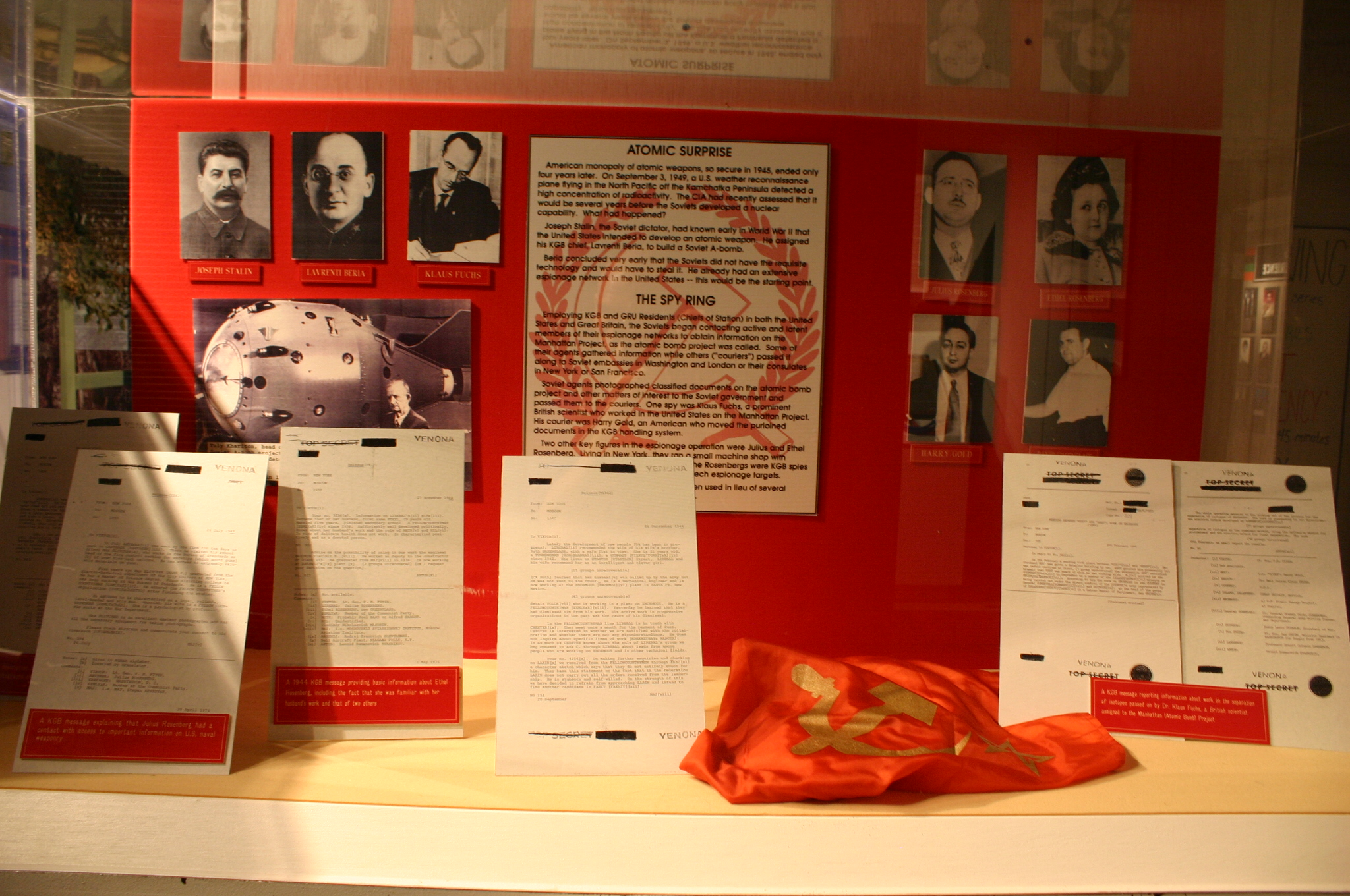
“Reagan Means War”: the KGB’s 1984 election operation and its heirs
The KGB’s 1983-84 campaign to stop Reagan’s re-election failed, but its doctrine of covert election meddling lives on in today’s AI-run networks.
-

Fear as a weapon: inside Russia’s Baltic escalation playbook
Russia turns Baltic immigration and defence measures into stories of pogroms and invasion prep. EEAS says fear is the strategy, not a side effect.
-

How OpenAI Caught Russian Operations Using ChatGPT
OpenAI found and named a previously unknown Russian operation, “Bad Grammar,” using ChatGPT to write propaganda. Why the toolmaker sees what governments can’t.
-
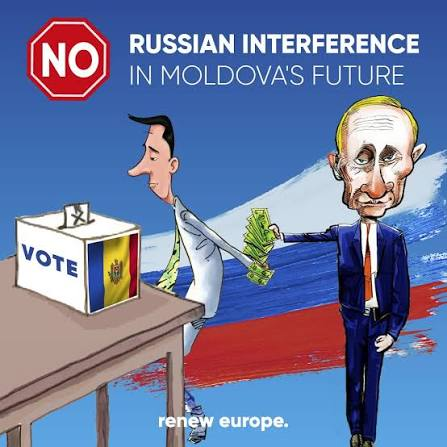
Russia Threw Everything at Moldova 2025 Election and Still Lost
Vote-buying, deepfaked officials, fake-page armies and AI avatars: Russia threw its whole toolkit at Moldova’s 2025 election. The pro-EU party still won an outright majority.
-
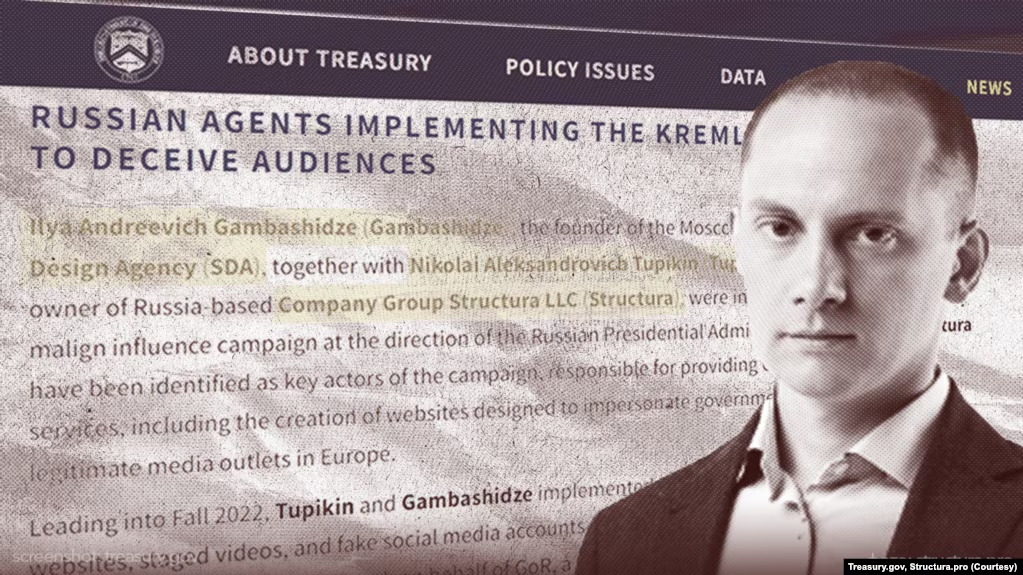
Who is Ilya Gambashidze, the man the US government accuses of running a Kremlin disinformation campaign?
Russian political consultant Ilya Gambashidze is responsible for a large-scale disinformation campaign aimed at undermining trust in democratic processes and institutions in the United States and beyond. Working with Kremlin officials, his digital marketing agency creates fake news sites — sometimes clones of real news outlets to mislead people, the government alleges. Often, the goal…
-

Leaked Files Expose the Firm Running Russia’s “Cognitive Strikes”
Leaked files expose the Social Design Agency, the firm behind Doppelganger, planning “cognitive strikes” and a pig-head attack on Paris mosques. New detail on a known operation.
Get In Touch
Contact Us
We welcome enquiries from journalists, academic researchers, policymakers, fact-checkers, and members of the public.
Our standard response time is three to five working days. For urgent media enquiries, mark your subject line [URGENT — MEDIA].